


Your Product Basket
 - +55.80€
Cart Total:
45.00€
A bird trap is one of the oldest and most practical tools designed to manage, observe, or safely relocate birds from unwanted areas. Across farms, gardens, and industrial settings, these devices serve an essential role in controlling nuisance species without causing harm. Whether used for humane pest management or wildlife study, a properly built and legally compliant bird trap offers an efficient, non-lethal method to capture birds safely and effectively.
Modern bird traps are built with precision and respect for animal welfare. Unlike historical designs that often relied on harmful mechanisms, today’s traps focus on safety, reusability, and compliance with conservation standards. A well-designed trap ensures that birds are caught alive and unharmed, making it possible to release them later in a suitable environment.
Among the different types of bird traps available today, the most common variations include the bird cage trap, the live bird trap, and the bird net trap. Each has distinct benefits depending on the setting, the target species, and the purpose of capture.
Showing all 2 results
Bird cage trap
The bird cage trap is one of the most straightforward and humane designs. It typically features a mesh or wire frame that allows airflow and visibility, preventing stress for the captured bird. The entrance mechanism is designed to close once the bird steps inside, ensuring a safe enclosure. These traps are ideal for capturing small to medium-sized birds such as pigeons, sparrows, and starlings. The cage structure allows easy inspection and release, making it suitable for both pest control professionals and wildlife researchers.
Live bird trap
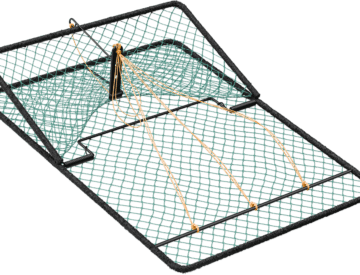
As the name suggests, a live bird trap focuses on capturing birds without causing injury. It uses lightweight materials and sensitive trigger mechanisms to ensure the bird remains unharmed. This trap type is particularly useful in urban environments where humane bird control is required near residential or commercial areas. For example, the Bird Trap Safe & Humane Bird Capture Solution (60×50 cm) offered by Birdbusters.eu represents this approach, emphasizing non-lethal capture and safe handling. Live bird traps can also be reused multiple times, providing an eco-friendly solution for ongoing bird management.
Bird net trap
The bird net trap works by using a fine, durable net to encircle or enclose birds upon contact. It’s often employed in agricultural fields or large open spaces where cage-style traps are impractical. This design can be used to protect crops, fish ponds, or industrial zones from bird infestations. Because of its adaptability, the bird net trap is frequently chosen for both prevention and direct capture. The flexible structure minimizes harm while covering wider areas compared to standard cages.
Many people looking for pest control or wildlife relocation options often search for how to trap birds effectively and ethically. The process begins with understanding bird behavior. Birds are naturally attracted to food sources and safe resting areas, which makes positioning the trap near feeding zones or perching sites highly effective.
Bait selection is another crucial factor. The type of bird determines the most suitable bait—grains, seeds, or bread crumbs often work for smaller species, while fruit or corn might attract larger ones. The placement should be consistent over a few days, allowing the birds to become comfortable with the trap’s presence before it’s activated.
Humane trapping also requires constant monitoring. A trap should never be left unattended for long periods. Once captured, the bird should be checked promptly to ensure it hasn’t been injured or distressed. Clean, ventilated traps are essential, as stress and overheating can occur quickly, especially in warm weather.
The bird catcher plays an important role in this process. A bird catcher—whether a professional or an individual managing their own property—should always prioritize animal welfare. Modern catching tools, like those featured on Birdbusters.eu, are designed to align with ethical standards and reduce unnecessary suffering.
In certain cases, using traps for research or conservation is not only acceptable but beneficial. For instance, ornithologists use controlled bird cage traps and live bird traps to gather data on migration, breeding, and species diversity. These scientific applications contribute to better understanding and protecting bird populations globally.
The use of a bird trap extends far beyond pest control. Farmers often rely on traps to prevent crop damage caused by crows, pigeons, and starlings. In coastal or fish-farming areas, bird traps help reduce losses from species that feed on fish stocks. Airports use humane trapping systems to relocate birds from runways, minimizing collision risks with aircraft.
Urban environments also benefit from proper bird management. Excessive bird populations can lead to property damage, contamination, and hygiene issues. Live bird traps and bird net traps offer a responsible alternative to poisons or lethal deterrents, ensuring environmental safety and compliance with animal welfare regulations.
Furthermore, modern traps are built from long-lasting, corrosion-resistant materials like galvanized steel or coated wire mesh. They are easy to clean and maintain, allowing repeated use over time. This durability makes them both economical and sustainable.
On websites like Birdbusters.eu, users can find multiple variations of bird traps designed for different purposes. The standard bird trap provides a simple and effective option for everyday use, while the safe and humane capture solution model offers advanced design features for professional or sensitive environments.
Choose the right size and design.
Select a trap appropriate for the bird species you are targeting. Smaller mesh sizes prevent escape and ensure humane containment.
Position strategically.
Place traps near feeding or roosting sites, sheltered from extreme weather conditions.
Use effective bait.
Experiment with various seeds or grains. Consistency over time increases the chances of capture.
Check traps frequently.
Avoid long unattended periods to prevent stress or dehydration for the captured birds.
Clean after each use.
Hygiene prevents disease spread and ensures the trap remains safe for future captures.
Release responsibly.
Relocate captured birds away from urban zones, ideally in a natural habitat where they can thrive.
Following these practices not only improves success rates but also ensures ethical compliance.
The legality of using a bird trap depends on local wildlife protection laws. In most European countries, including Sweden, Denmark, the Netherlands, Germany, the UK, and Greece, trapping birds is regulated by national and EU-level legislation. The goal is to prevent cruelty and protect endangered species.
Using live bird traps, bird cage traps, or bird net traps is generally legal when done for pest management, research, or conservation purposes—provided that no harm comes to the birds and they are released or handled according to animal welfare standards. However, trapping wild or protected species without authorization can result in legal penalties.
Anyone planning to set a trap should first verify whether the target species is classified as a pest or protected bird. Licensing requirements may vary: in some regions, only professional wildlife controllers are allowed to operate traps, while in others, private property owners may use humane traps under specific conditions.
In summary, while bird traps serve as effective and humane tools for managing unwanted bird populations, they must always be used responsibly and within the boundaries of the law. Understanding both ethical and legal aspects ensures that bird management practices remain sustainable and aligned with conservation goals.
Salu OÜ, reg 12600389, VAT EE101743004 Tehnika 37-6, Tallinn 10137 Estonia
+372 5267 138 (ENG) info@birdbusters.eu
© 2025 Birdbusters.eu