




Visual Bird Deterrents
Showing all 27 results
 NEWBird Deterrent Devices
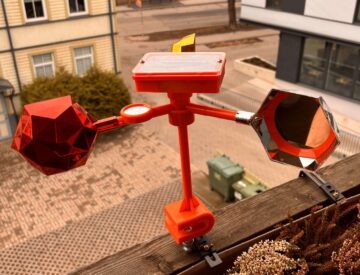
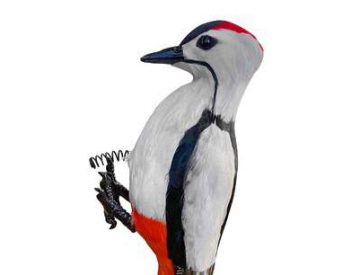
Solar Bird Deterrent with 360° Rotating Mirror and Sound Signal
52.08€ -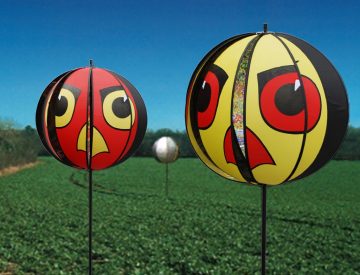

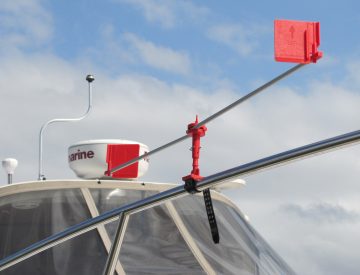
 -29%Bird Control for Docks, Marinas & Boats
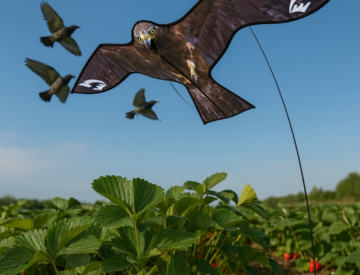
Bird Kite with 9 Metre Pole – Premium Visual Bird Deterrent & Bird Scarer
Original price was: 148.80€.105.40€Current price is: 105.40€. -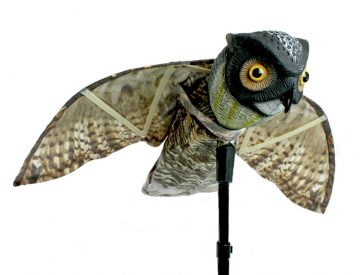
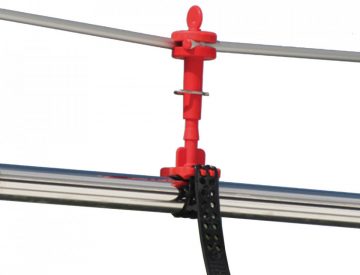
- NEW
 Bird Control for Industrial Sites & Warehouses
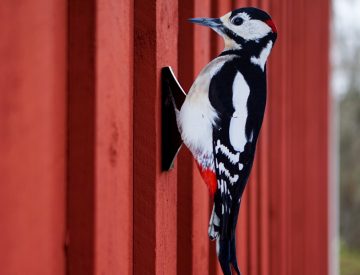
Anti Collision Bird Window Stickers
24.80€ -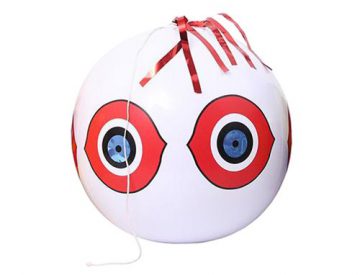
More about Visual Bird Deterrents
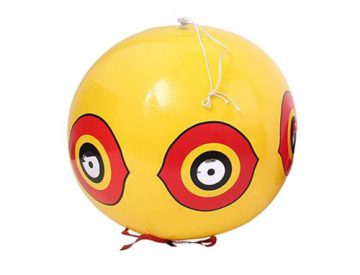
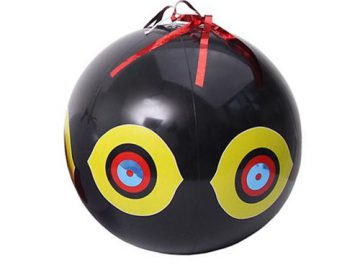
Visual bird deterrents keep birds away from gardens and terraces without causing them harm. These deterrents work by tapping into birds' natural instincts to avoid predators. From reflective tapes to bird kites and sophisticated lasers, visual bird deterrents come in various forms to suit different settings and needs.
Visual bird deterrents keep birds away from gardens and terraces without causing them harm. These deterrents work by tapping into birds' natural instincts to avoid predators. From reflective tapes to bird kites and sophisticated lasers, visual bird deterrents come in various forms to suit different settings and needs.
These bird repellents are effective because birds have excellent eyesight. They use their eyes to find food and detect predators. Additionally, most birds have color vision, which helps them recognize ripe fruits and berries.
There are various options for visual bird deterrents and we will introduce the most common of them.
Decoys
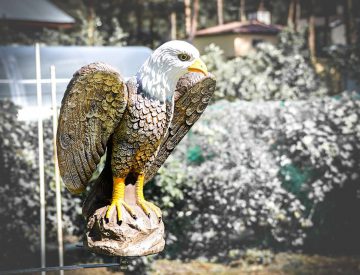
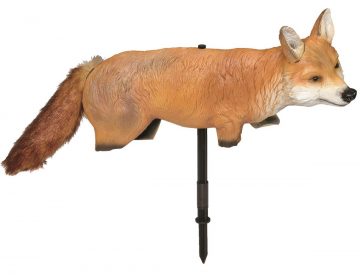
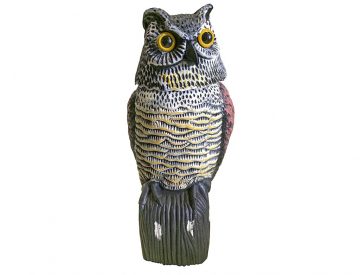
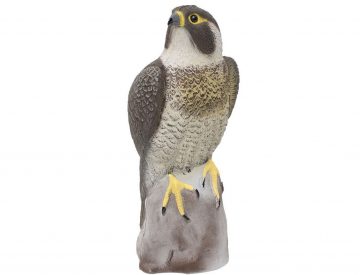
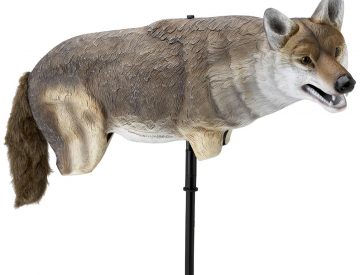
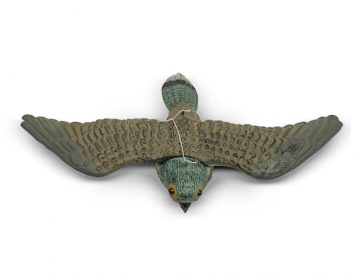
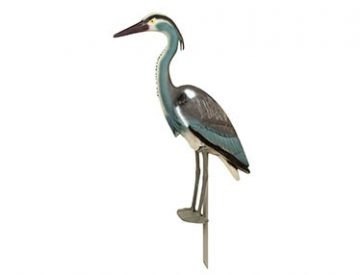
Decoys are a simple but effective way to keep birds away from your property. The plastic statues mimic the appearance of the real bird of prey and when placed in strategic locations around the garden or patio, they deter birds from entering the area.
Additionally, decoys are inexpensive and easy to find, making them a good option for homeowners. Although they are not always 100% effective, they can definitely help reduce the number of birds on your property.
Bird kites
are crafted to mimic the appearance and movements of predatory birds, such as hawks and falcons. They are easy to set up, require minimal maintenance, and provide a cost-effective and lasting bird control solution. Kites can be used around gardens and patios, on fruit trees and everywhere else where birds are a problem.
In our online shop you have the option of ordering the kite either as a complete set with a telescopic mast or individually.
Bird lasers
are an efficient solution to deter birds from open areas and warehouses. Birds perceive the laser beam as a physical threat and flee the area.
In contrast to conventional methods such as noises or decoys, birds can not get used to the laser. They will classify the area as unsafe after a while and will not return.
You can find a wide selection of bird lasers in our store!
Tips for using optical bird repellents
There are a few things to keep in mind when using visual bird deterrenta.
Firstly, always make sure that the product is specifically designed for the type of bird you want to keep away. Different species of birds are deterred by different triggers, so it's important to choose a product tailored to your specific problem.
Also, consider the environment in which you will be using the device. If you want to keep birds away from a garden, the optical bird repellents should be placed where they are visible to the birds.
Visual bird deterrents are most effective when used in combination with other deterrents, for instance acoustic bird deterrents. By using a combination of methods, you can create an unattractive environment for birds and significantly reduce the likelihood of them invading your property.
The most effective visual deterrent is one that moves unpredictably. An eagle kite on a telescopic pole drifts in the wind and casts a hawk-shaped shadow, which is far more effective than any static decoy. Pair it with reflective tape or mylar streamers for unpredictable light flashes, and rotate the position every 2-3 days so birds cannot map a safe route past it.
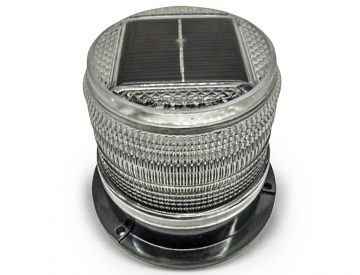
Static plastic owls or hawks are recognised as fake within 24-48 hours and are widely considered the least effective visual deterrent on the market. They work briefly when first installed, then birds simply ignore them. The fix is movement and rotation: solar-powered models with rotating heads, kites that flex in the wind, or moving scarecrow figures like Scare Man last much longer.
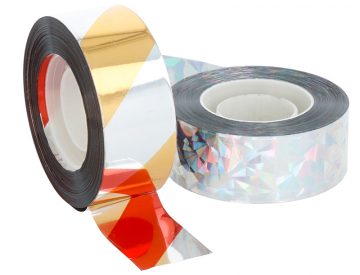
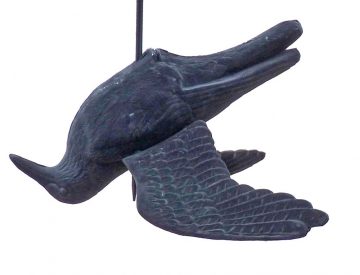
Visual deterrents trigger the bird's instinctive flight response by mimicking predators (eagle kites, predator decoys), simulating a dead bird signal (an upside-down crow decoy says 'a crow died here' to other crows), or producing unpredictable movement and light (reflective tape, holographic strips). The key is the movement element - static visuals are dismissed quickly.
Install visual deterrents at the bird's eye level along the approach route, not at ground level. Eagle kites work best 5-7 metres up so the shadow sweeps a wide area. Reflective tape should be hung at the level of the most-used perch. For garden vegetable beds, scarecrows and decoys belong at the edge of the protected area, not the centre.
Yes - layering visual and audio deterrents is the most effective approach. The visual element triggers a specific predator-detection response while audio scarers exploit distress calls; together they reinforce each other and dramatically reduce habituation. Most successful commercial installations use at least one of each, with rotation.
Yes. All visual deterrents on this page are non-lethal, do not harm birds and are fully legal across Europe under the EU Birds Directive (2009/147/EC). They simply trigger the bird's natural flight response to perceived predators or disturbance, without causing physical harm.