




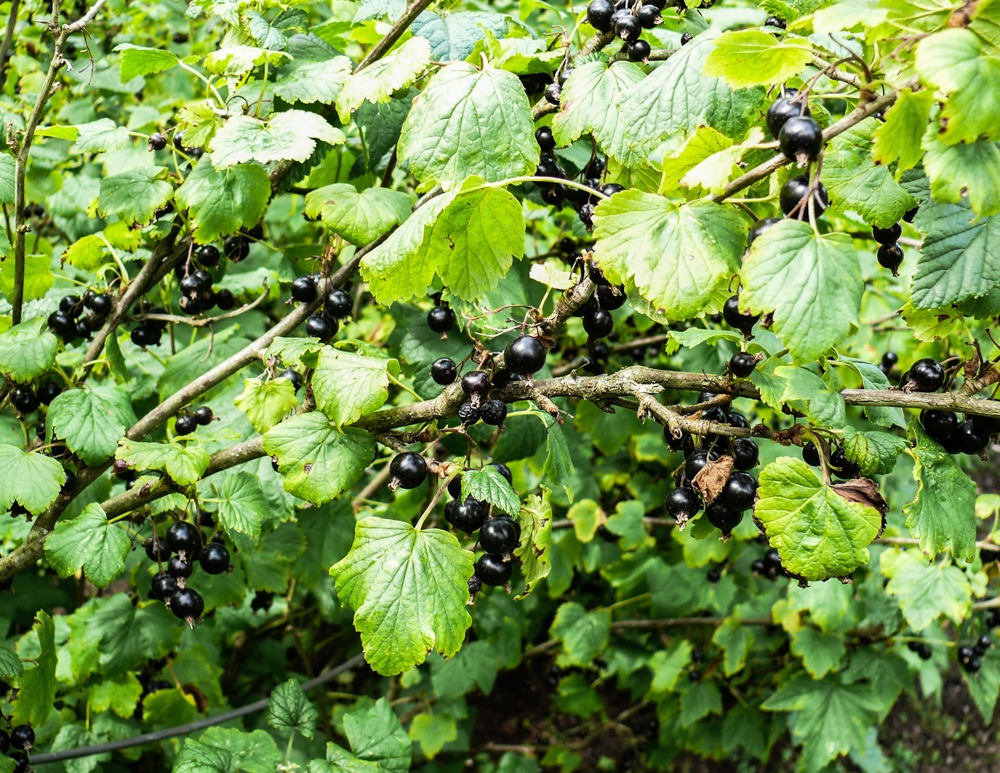
Wake up to find half your strawberry bed eaten, the cherry tree stripped before you have picked a single fruit, or your freshly sown vegetable seeds gone overnight, and you understand quickly that birds in the garden are no longer cute. The truth is that gardens are an irresistible buffet – soft fruit, ripe berries, exposed seedlings, mulch full of insects – and once a flock discovers it, they bring others. Knowing how to keep birds out of garden is part identifying the species, part picking the right deterrent, and part making sure no single method becomes the bird’s new normal. Here are the eight techniques that actually work in 2026.
Why Are Birds Targeting Your Garden?
Different species visit gardens for different reasons. Pigeons and wood pigeons go for vegetable seedlings, brassicas and grain. Magpies and crows raid fruit trees and steal songbird eggs. Starlings and blackbirds love soft fruit – strawberries, raspberries, blueberries and cherries. Sparrows and finches scratch at sown seed beds and pick at lettuce seedlings. Even ducks and geese can be a problem on lawns near water. Identifying the visitor is the first step, because the right deterrent depends on the bird.
1. Bird-Scaring Kites and Eagle Decoys
The single most effective visual deterrent for an open garden is a bird-scaring kite. A 5-metre eagle kite mounted on a telescopic pole soars in the wind, casting a hawk-shaped shadow across vegetable beds, fruit trees and lawn areas. Birds have an instinctive fear of birds of prey and the moving silhouette triggers an immediate flight response. For larger plots, a 7-metre eagle kite covers a much wider area. Kites are especially effective for pigeons, starlings, sparrows and corvids. Move the pole every few days so the birds cannot habituate.
2. Reflective Tape, Mylar Streamers and CDs
Strung between fence posts, fruit trees or canes, reflective tape and mylar streamers create unpredictable flashes of light that make birds nervous about landing. Old CDs hung on string serve the same purpose at zero cost. The reflection is most effective in bright sunlight, which is exactly when most garden raids happen. Use reflective tape alongside a kite or sound deterrent – on its own, the effect fades within a couple of weeks, but as part of a layered system it adds genuine value. Replace twisted streamers when they stop catching the wind.
3. Bird Netting Over Fruit and Vegetables
For strawberries, raspberry canes, cherry trees, brassicas and any other crop a bird will actively raid, fine-mesh bird netting is the only method that works permanently. UV-stabilised netting with 12-25 mm mesh is small enough to keep out even sparrows, large enough to allow pollinators through. Drape it loosely over a frame of bamboo canes or a permanent metal cage. For fruit trees, a fine net thrown over the canopy in the week before ripening is enough to save the harvest. Netting is the unglamorous answer that beats every fancy gadget for protecting specific crops.
4. Bio-acoustic Sound Deterrents
If you have an established flock – pigeons roosting on the shed roof, magpies returning every morning to raid the cherries, starlings descending in numbers on the elderberry – a bio-acoustic sound deterrent is the fastest way to break the pattern. The device plays randomised distress calls and predator screams that the target birds recognise instinctively. When one bird hears another in panic, the entire flock leaves and remembers the danger for weeks. Compact garden units cover 1-2 hectares and can be programmed to run only during daylight hours so neighbours are not disturbed.
5. Bird Spikes on Sheds, Pergolas and Fences
Where birds repeatedly perch on the same surface – the apex of a shed, the top of a pergola, the rail of a wooden fence overlooking the garden – stainless steel bird spikes stop the perch becoming a launchpad for raids. Marine-grade stainless lasts more than ten years outdoors. Install them on every favoured perch and the lookout post disappears overnight. Spikes are particularly effective against pigeons and corvids, which need a stable landing platform before dropping into the garden.
6. Motion-Activated Sprinklers and Lights
Motion-activated sprinklers fire a sudden jet of water when a bird (or any animal) crosses the sensor zone. Birds dislike the sudden water spray and rapidly learn to avoid that area. The same principle applies to motion-activated bright LEDs after dusk, which discourage roosting in fruit trees and on open vegetable beds. These devices are cheap, easy to install, and effective for small gardens where a full sound or kite installation would be overkill.
7. Proper Scarecrows (With Movement)
A traditional scarecrow that never moves is identified as fake within days and ignored from then on. A scarecrow that does move – limbs that flap in the wind, a wig of mylar streamers, a body that shifts position when relocated every two or three days – keeps its scaring power for an entire season. Use real clothes that flap, mount the scarecrow on a swivelling base, and reposition it weekly. Combined with reflective tape and an occasional change of clothes, a properly built scarecrow remains effective long after the static garden-centre version has stopped working.
8. Remove the Food Source and Cover Compost
No deterrent works for long if you keep feeding the birds by accident. Cover compost heaps that contain food scraps. Pick up windfall fruit immediately. If you feed songbirds in winter, pause the feeders during peak crop ripening – or use cage feeders that exclude larger species like pigeons and magpies. Remove water sources you do not need (an open birdbath is an invitation for the same flock that just raided the strawberries to hang around). Source control is the unglamorous backbone of every successful garden bird-control strategy.
Keeping Songbirds While Deterring Pests
Most gardeners do not want to scare every bird away – sparrows, robins and tits eat aphids, slugs and caterpillars, and they are part of a healthy garden ecosystem. The trick is to target the species causing damage rather than blanket-deterring everything. Bird-scaring kites and sound deterrents calibrated for pigeons and corvids leave most small songbirds undisturbed. Netting protects specific crops without removing songbirds from the wider garden. By choosing species-specific deterrents and protecting only the crops that matter, you can keep the helpful birds while solving the destructive ones.
Match the Method to the Bird
- Pigeons: bird spikes on perches, sound deterrent and an eagle kite – see Pigeon Control.
- Magpies and crows: sound deterrent plus a moving decoy – see Crow Control.
- Starlings: netting on fruit, sound deterrent at dawn and dusk – see Starling Control.
- Blackbirds and thrushes (soft fruit): netting is the only fully reliable method.
- Sparrows on seed beds: reflective tape, kite, fine netting tunnels.
- Wood pigeons on brassicas: netting plus eagle kite is the classic combination.
The Layered Garden System
The professionals never rely on a single device. A typical successful garden setup combines an eagle kite at the centre, reflective tape between fence posts, netting on the fruit cage, a sound deterrent set to daylight hours, and source control on the compost heap. The birds find the garden uncomfortable, the crops survive intact, and the songbirds who help with pest control stay. It takes one weekend to set up and only a few minutes a week to maintain – far less effort than replanting an eaten strawberry bed.
Get Your Garden Back
Whether you are protecting a single cherry tree, a vegetable patch or an entire smallholding, the right combination of deterrents exists. Browse the full Bird Busters product range – every device has been tested in real gardens across Europe – and put together the layered setup that fits your space.
Frequently Asked Questions
What is the best deterrent for birds in the garden?
There is no single ‘best’ deterrent – the right choice depends on the bird. For pigeons and corvids, an eagle kite combined with a bio-acoustic sound deterrent works fastest. For protecting specific crops like strawberries, raspberries or cherries, fine-mesh bird netting is the only fully reliable answer. For an open vegetable plot, layer a kite, reflective tape and a sound device, and refresh placements every two to three days to prevent habituation.
What is the most effective bird scarer?
For an active flock raiding a garden, a programmable bio-acoustic sound deterrent is the most effective single device. It plays randomised distress calls and predator screams that birds recognise instinctively, and the entire flock leaves within days. For visual deterrence, a 5- or 7-metre eagle kite on a telescopic pole is the most effective open-area scarer. The strongest results come from combining one sound device with one moving visual scarer and rotating both regularly.
What smell do birds hate the most?
Birds have a relatively poor sense of smell, so scent-based repellents (peppermint, garlic, chilli, citrus oil) rarely work well on their own. They may have a mild short-term effect on smaller songbirds when first applied, but determined pigeons, corvids and starlings ignore scent within days. Save scent for mammals (rabbits, deer, foxes), where it is genuinely useful – for birds, rely on sound, visual decoys and physical barriers instead.
How do I stop birds from coming in my garden?
Use a layered approach. Install an eagle kite or moving decoy at the centre of the garden, hang reflective tape or mylar streamers between fence posts, drape fine-mesh netting over high-value crops (strawberries, cherries, brassicas), add a bio-acoustic sound deterrent if the flock is established, fit spikes on shed roofs and pergola tops, and remove food sources – cover compost, pick up windfall fruit, and pause songbird feeders during peak crop ripening.
Do bird-scaring kites really work?
Yes. A bird-scaring kite mounted on a telescopic pole soars in the wind and casts a hawk-shaped shadow over a wide area, triggering an instinctive flight response in pigeons, starlings, sparrows, magpies and crows. The key to keeping a kite effective long-term is movement and rotation – relocate the pole every few days so birds cannot habituate. Combined with reflective tape and an occasional sound device, a kite is one of the most cost-effective deterrents available.
How can I protect my fruit and vegetables from birds?
Fine-mesh bird netting is the only fully reliable answer for protecting specific crops. Drape UV-stabilised netting (12-25 mm mesh) loosely over a frame of bamboo canes for strawberries and brassicas, throw it over fruit trees in the week before ripening, and build a permanent fruit cage if you grow soft fruit every year. Combine with an eagle kite and reflective tape across the wider garden to keep the larger flock from settling in.