




Bird Deterrent Devices
Bird deterrent devices are typically designed to prevent birds from coming to a specific area. This includes visual scare tactics, such as bird scare kites or predator decoys and auditory devices. The idea behind a bird deterrent is to make the area unattractive or uncomfortable for birds, so they choose to go elsewhere.
However, if you are looking for solutions to drive birds away from an area that they have already chosen to frequent, take a look at our selection of bird repellent devices.
Showing all 46 results
 NEW657.20€ -
 NEWBird Deterrent Devices
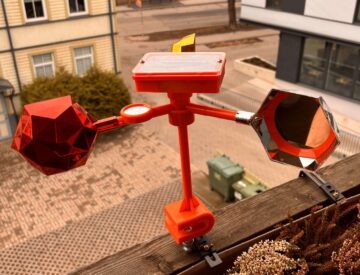
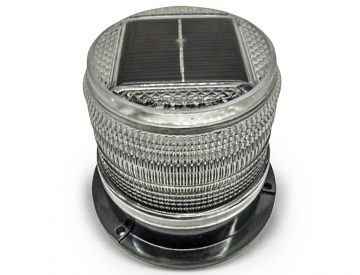
Solar Bird Deterrent with 360° Rotating Mirror and Sound Signal
52.08€ -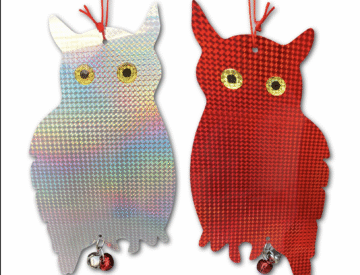
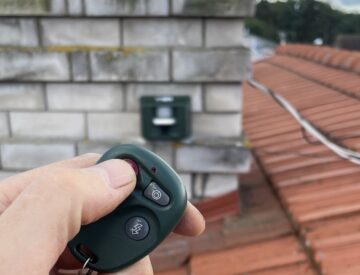 Audio Bird Deterrents
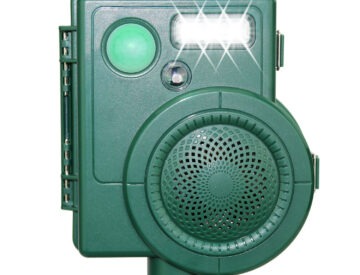
Ultrasonic Pest Deterrent with a Sensor and Remote Control
84.32€ -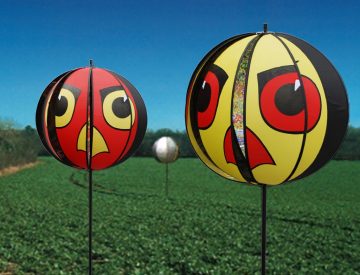

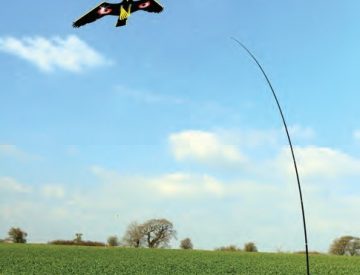 -29%Bird Deterrent Devices
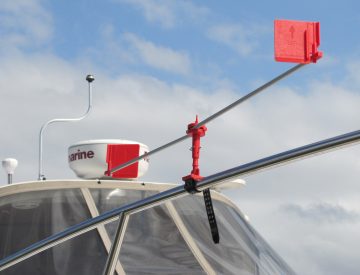
Bird Scarer Kite With 7 Meter Pole
Original price was: 105.40€.74.40€Current price is: 74.40€. -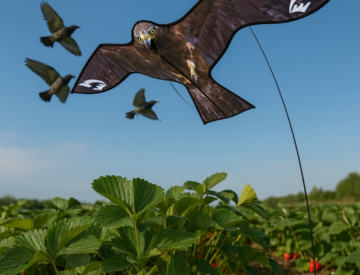 -29%Bird Control for Docks, Marinas & Boats
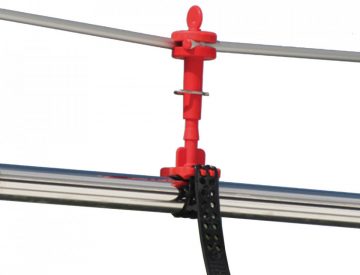
Bird Kite with 9 Metre Pole – Premium Visual Bird Deterrent & Bird Scarer
Original price was: 148.80€.105.40€Current price is: 105.40€. -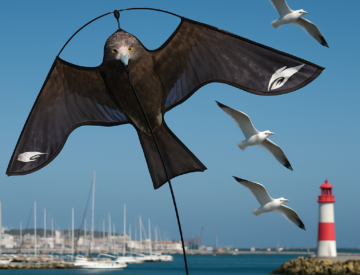 -25%Bird Control for Docks, Marinas & Boats
5 Meter Eagle Kite – Compact Bird Scarer for Roof and Building Protection
Original price was: 99.20€.74.40€Current price is: 74.40€. -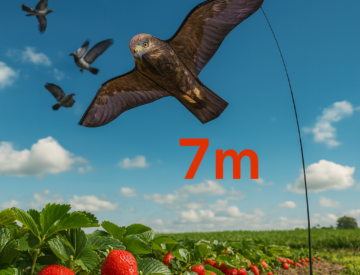 -28%Airport Bird Control Solutions
7 Meter Eagle Kite – The Ultimate Bird Scarer Kite for Natural Bird Control
Original price was: 111.60€.80.60€Current price is: 80.60€. -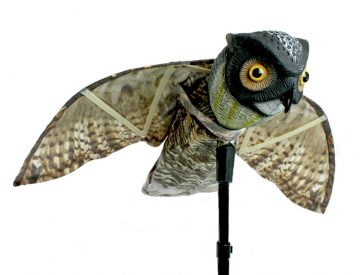
 Bird Control for Industrial Sites & Warehouses
Anti Collision Bird Window Stickers
24.80€ -
More about Bird Deterrent Devices
Bird deterrent devices are typically designed to prevent birds from coming to a specific area. This includes visual scare tactics, such as bird scare kites or predator decoys and auditory devices. The idea behind a bird deterrent is to make the area unattractive or uncomfortable for birds, so they choose to go elsewhere. However, if you are looking for solutions to drive birds away from an area that they have already chosen to frequent, take a look at our selection of bird repellent devices.
Bird deterrent devices are typically designed to prevent birds from coming to a specific area. This includes visual scare tactics, such as bird scare kites or predator decoys and auditory devices. The idea behind a bird deterrent is to make the area unattractive or uncomfortable for birds, so they choose to go elsewhere. However, if you are looking for solutions to drive birds away from an area that they have already chosen to frequent, take a look at our selection of bird repellent devices.
Bird deterrents keep birds away
Bird deterrent devices are used to deter birds from entering specific areas. They come in various forms, but the most commonly used ones are bird scarer kites, predator decoys and audio appliances.
Bird scarer kites
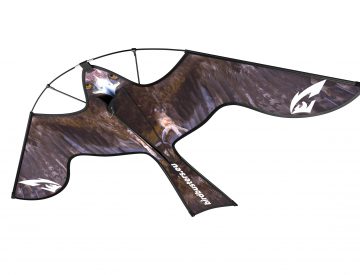
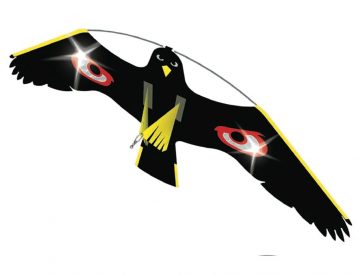
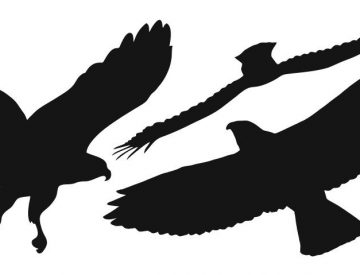
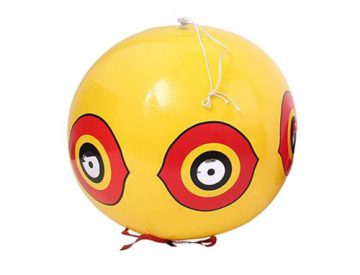
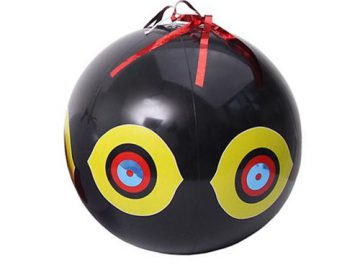
have proven to be effective bird deterrents because they rely on the natural instinct of birds to avoid potential predators. When birds of prey like hawks and falcons are seen hovering over an area, other birds tend to steer clear. By imitating the appearance and movement of these predators, bird scarer kites create a similar effect that keeps birds away from an area.
In addition to their scary appearance, the kites also move unpredictably in the wind, adding to the illusion of a predatory bird. This movement keeps birds on edge, making them less likely to settle.
Bird scaring kites are not only an effective bird deterrent, but they are also an eco-friendly option as they do not rely on chemicals or loud noises to deter birds. They are relatively cost-effective and can easily be installed in a variety of settings, including vineyards, agricultural fields, and public spaces. This makes the kites a reliable and valuable tool for anyone looking to protect their property or crops from bird damage.
Decoys
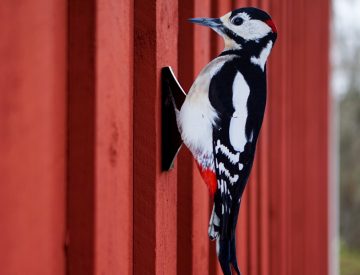
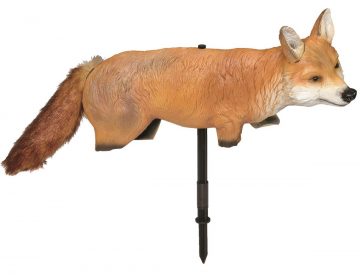
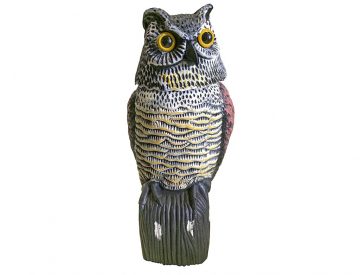
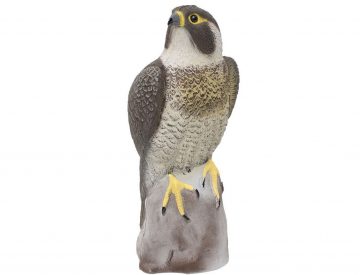
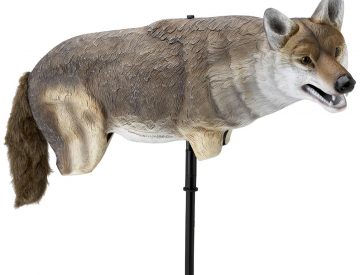
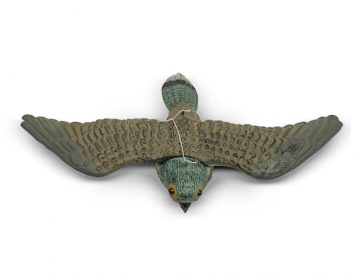
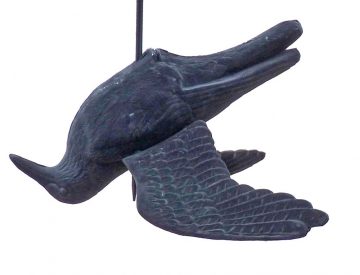
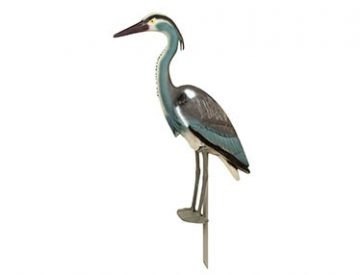
are another example of visual bird deterrents that mimic the appearance of natural predators that birds fear such as owls, hawks, foxes, and wolves. When birds see a predator decoy, they immediately perceive it as a threat and are likely to avoid the area.
The most efficient predator decoys also feature some movement, which further enhances their effectiveness at deterring birds. Most models are wind-powered and will move or say in the breeze, providing a more terrifying effect.
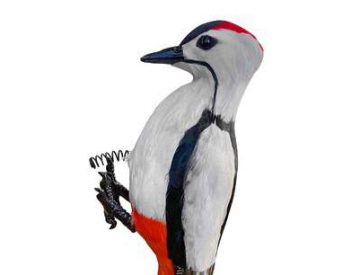
Some decoys feature birds of the same species that they are designed to deter. Such decoys are particularly efficient in deterring territorial birds like woodpeckers and herons, tricking them into thinking that the area is already occupied.
Audio devices
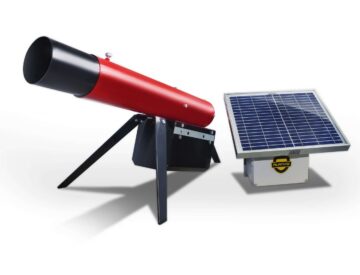
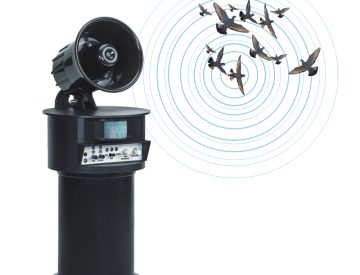
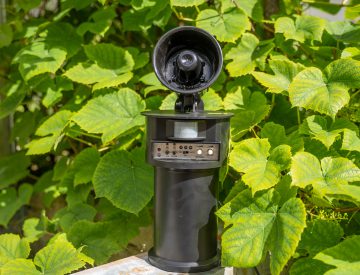
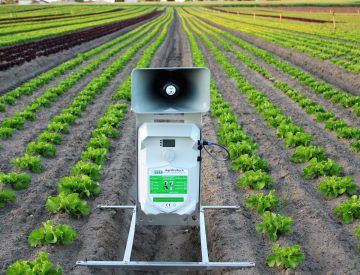
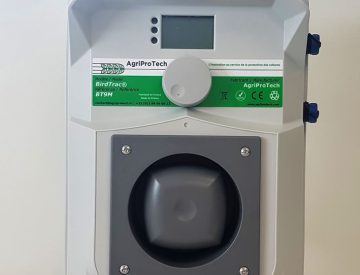
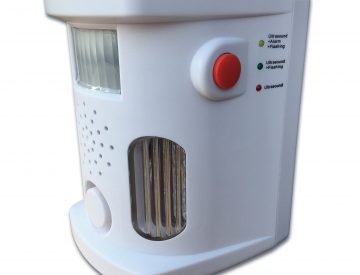
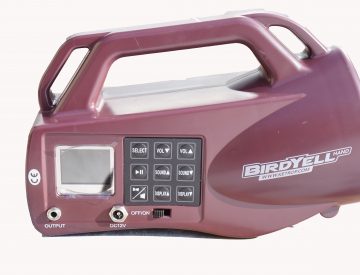
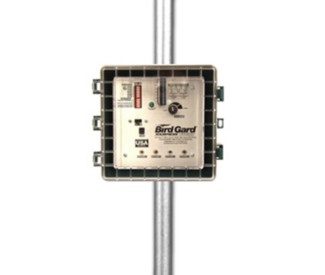
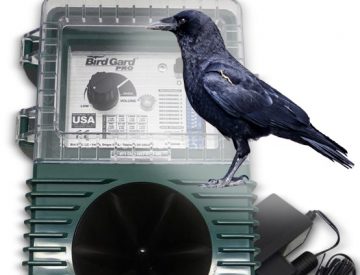
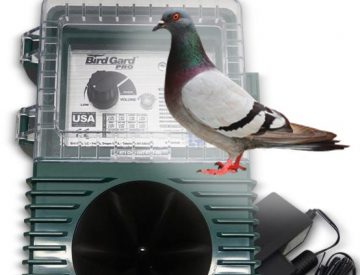
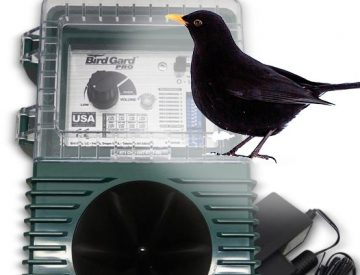
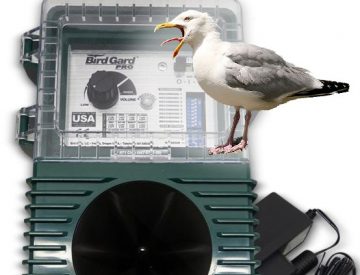
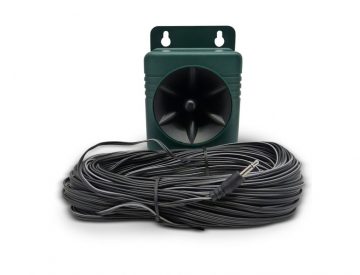
are an effective way to keep birds away from a designated area. These devices are designed to emit sounds that birds find unpleasant or threatening, causing them to avoid the area. Some audio deterrents use mimicry of predator calls or distress calls, signalling to birds that the area is unsafe. Others use ultrasonic frequencies that are unpleasant to birds.
Audio devices designed to deter birds can vary greatly in terms of their efficiency depending on the specific features of the device. For example, smaller, audio deterrents that are designed for use in home gardens may be less efficient at deterring large flocks of birds over large areas of land. These devices are typically more affordable, but may not provide enough power to ward off birds from agricultural properties.
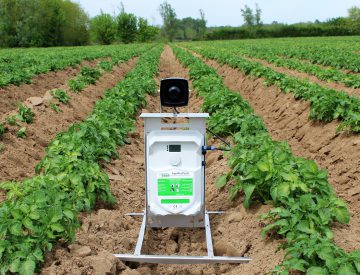
On the other hand, more powerful audio devices that are designed for use in large agricultural fields, are typically louder and utilise a wide range of sounds to keep birds at bay.
Overall, bird deterrent devices are safe, eco-friendly, and effective. They are easy to install and maintain, and they can bring you the peace of mind knowing that your property is protected. Since there are a variety of bird deterrents available, it’s important to do your research and choose a device that’s suited for your specific situation, to ensure the most effective results.
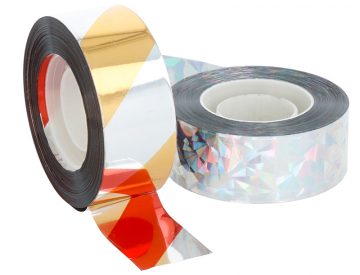
The most effective bird deterrent is always a layered combination, not a single device. For permanent perch problems use stainless steel bird spikes; for active flocks use bio-acoustic sound scarers that play distress and predator calls; add eagle kites and reflective tape for visual reinforcement, and rotate visual elements every 2-3 days so birds never habituate. One device alone rarely works long term.
Yes, when matched to the species and the situation. Stainless steel spikes physically prevent landing and never lose effectiveness; bio-acoustic units use sounds birds recognise instinctively and work best when randomised; lasers exploit a perceived threat response, especially in low light. The common reason deterrents fail is using one static product with no rotation, no exclusion and no removal of food sources.
When multiple species pressure the same site, layer methods that target each. Bird spikes block landing on edges and ledges (works for all three), a bio-acoustic scarer with multi-species sound libraries (pigeon, gull and corvid distress calls) covers airborne flocks, and bird netting closes balconies and inner courtyards. For commercial sites, an automated bird laser adds an extra layer that affects all bird species.
No. Birds hear roughly the same frequency range as humans and do not perceive ultrasonic sound, so ultrasonic-only devices are not effective against birds. They can work against rabbits, foxes, cats and other mammals (which hear well into 20-50 kHz), but for birds choose audible bio-acoustic scarers, visual deterrents, or physical exclusion.
An established flock typically starts to disperse within 7-14 days of consistent layered use. The biggest mistake is giving up after a week, exactly when the colony starts to relocate. Rotate visual deterrents every 2-3 days, randomise sound patterns, remove food sources and seal access points; consistency beats any single product.
Yes. Every device on this page is non-lethal and humane. Most European countries protect wild birds under national law and the EU Birds Directive (2009/147/EC) - killing, trapping or destroying active nests requires special permits. The methods sold here make the area uncomfortable, so birds relocate voluntarily without harm.