



Audio Bird Deterrents
Audio bird deterrents use sound to make an area uncomfortable for birds. The most effective devices are bio-acoustic – they play recorded distress calls and predator sounds that birds recognise instinctively. Propane cannons and high-power audio scarers cover larger agricultural areas. Browse the tested range below.
Showing all 22 results
 Audio Bird Deterrents
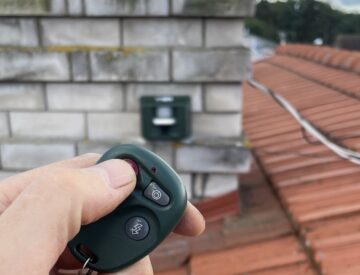
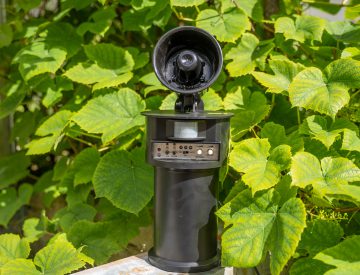
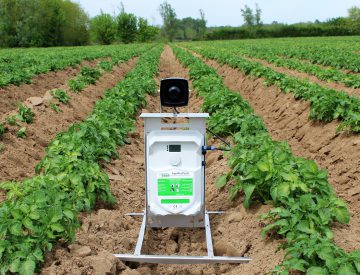
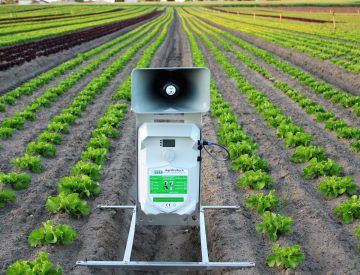
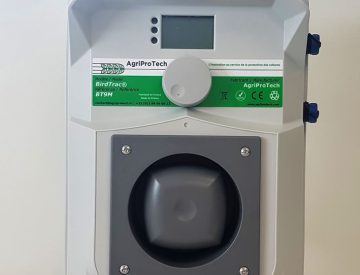
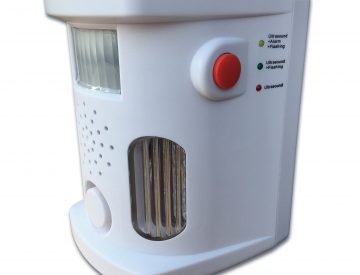
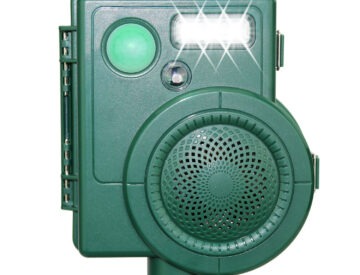
Ultrasonic Pest Deterrent with a Sensor and Remote Control
84.32€ -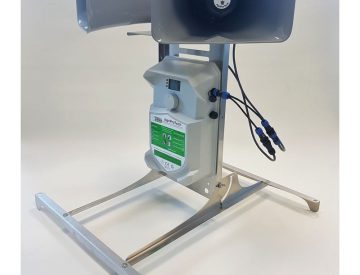
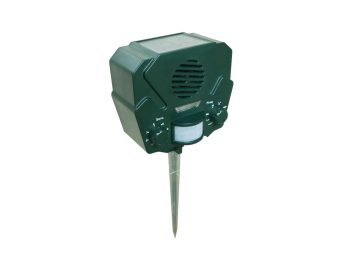
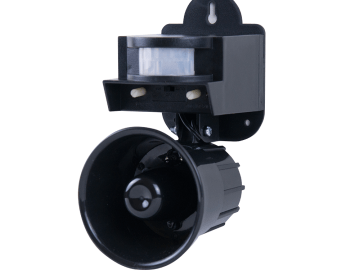
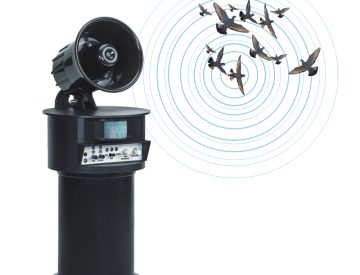
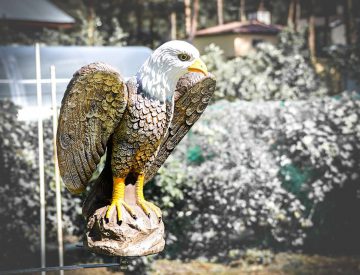
- NEW
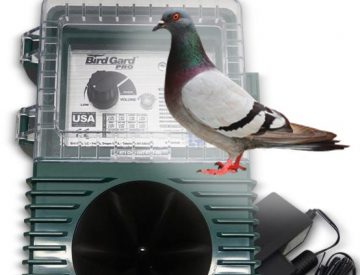
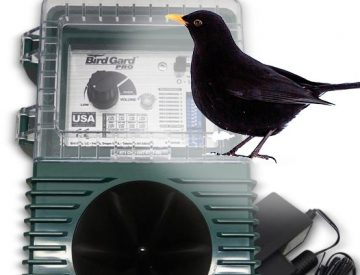
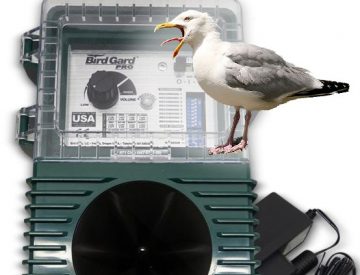
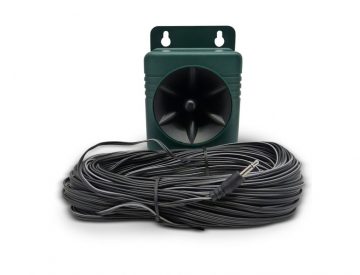
More about Audio Bird Deterrents
Audio bird deterrents are the most effective long-range solution for active bird problems. They exploit the bird's natural fear responses by playing recorded predator calls, species-specific distress signals or sudden loud bangs. Unlike static visual decoys that birds quickly habituate to, well-designed audio bird deterrents randomise sounds, intervals and direction, so birds cannot predict the next signal and treat the area as dangerous for weeks at a time.
Audio bird deterrents: how sound-based devices keep birds away
Audio bird deterrents are the most effective long-range solution for active bird problems. They exploit the bird's natural fear responses by playing recorded predator calls, species-specific distress signals or sudden loud bangs. Unlike static visual decoys that birds quickly habituate to, well-designed audio bird deterrents randomise sounds, intervals and direction, so birds cannot predict the next signal and treat the area as dangerous for weeks at a time.
How audio bird deterrents work
The science behind audio deterrents is straightforward. Birds living in flocks rely on alarm calls from neighbours - when one bird panics, the whole group lifts off within seconds. A bio-acoustic device exploits exactly that instinct: it broadcasts a recorded distress call from the same species the flock recognises, so the entire group reads the area as actively dangerous. Add randomised predator calls (eagles, hawks, falcons) and the effect is reinforced. The crucial element is randomisation - if intervals and call types are predictable, birds learn to ignore them within days.
Bio-acoustic sound scarers
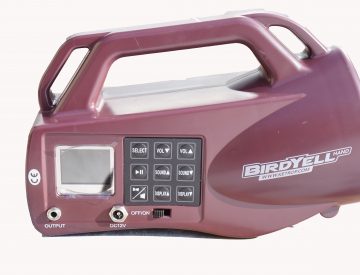
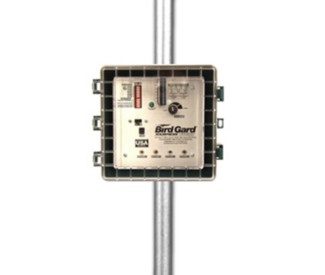
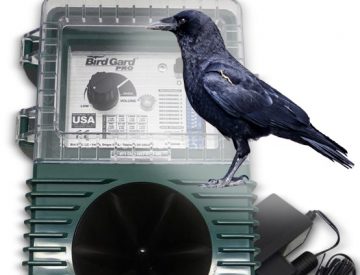
Bio-acoustic units are the gold standard for active flock control. Compact household models cover 1-2 hectares and are designed for residential roofs, garden patios, small commercial yards and restaurant terraces. Programmable agricultural units cover 2-4 hectares and protect vineyards, orchards, fish farms and crop fields. Look for randomisation across calls, intervals and direction; configurable day-night programs to avoid disturbing neighbours; and weatherproof construction for year-round outdoor use.
Propane cannons for large areas
Propane bird cannons produce a sudden, sharp detonation similar to a gunshot. They are not subtle - and that's the point. Birds cannot habituate to a sound that only fires every few minutes at randomised intervals, especially when the cannon rotates 360 degrees on a tripod base. Propane cannons are unsuitable for residential areas due to noise, but on farmland, fish farms, airports and large industrial sites they handle pressure that audio-only devices cannot match. Use programmable timers to limit firing to daylight hours and respect local noise ordinances.
The truth about ultrasonic bird repellers
Ultrasonic devices are widely marketed but largely ineffective against birds. Birds hear roughly the same audible range as humans (about 1-4 kHz being most sensitive) and do not perceive ultrasonic frequencies above 20 kHz. If a product claims to scare birds with ultrasonics alone, treat the claim with scepticism. Ultrasonic devices do work against rabbits, foxes, martens and stray cats, which hear well into 20-50 kHz - so for mixed pest pressure, the same units serve dual purposes for mammals.
Choosing the right audio deterrent
- Garden, terrace or small commercial yard: compact bio-acoustic unit covering 1-2 hectares with adjustable volume.
- Farm, vineyard, orchard up to 4 ha: programmable agricultural bio-acoustic unit, ideally combined with one or two visual decoys for layered defence.
- Large rural site, fish farm or airport: propane cannon on 360-degree tripod, plus a bio-acoustic unit for layered protection.
- Industrial warehouse or factory roof: bio-acoustic device with directional output, plus physical exclusion (spikes, netting) at landing surfaces.
- Mixed bird and mammal pressure: bio-acoustic for birds plus a separate ultrasonic device targeting rabbits, foxes or stray cats.
Common audio deterrent mistakes
- Buying an ultrasonic-only device expecting it to work against birds - it won't.
- Setting volume too low to be heard by the whole flock - bio-acoustic alarm calls need to reach all birds in the area.
- Running the same loop without randomisation - birds habituate within 2-3 days.
- Placing a propane cannon close to neighbours without scheduling - this generates noise complaints and can result in legal action.
- Relying on audio alone - audio combined with visual deterrents (kites, decoys, reflective tape) gives substantially better long-term results.
Start with the right audio bird deterrent
Whether you need quiet residential bio-acoustic protection or full-scale agricultural bird scaring, browse our tested Audio Bird Deterrents range below - bio-acoustic units, propane cannons, programmable scarers and sonic repellers proven across European installations.
Yes, when correctly chosen and configured. Bio-acoustic devices that play randomised distress and predator calls are highly effective at moving established flocks. The two factors that determine success are randomisation (intervals and sound types must vary) and adequate volume so the whole flock hears the signal. Static, predictable sounds are habituated to within days.
No. Birds hear roughly the same frequency range as humans and cannot perceive ultrasonic sound. Devices marketed as ultrasonic-only bird repellers do not work. They do work against mammals (rabbits, foxes, stray cats, martens), which hear well into 20-50 kHz. For birds, choose audible bio-acoustic devices.
Loud enough that the entire affected flock hears the signal clearly. Compact household units typically peak at 95-105 dB at the device, which is sufficient for 1-2 hectares. Agricultural units reach 115-125 dB and cover 4 hectares. Set volume so distant birds receive a clear, unambiguous signal - too quiet and only nearby birds react.
Bio-acoustic devices at residential volumes (typically 90-100 dB) are similar to a passing car and generally acceptable in suburban settings, especially during daylight hours. Propane cannons are far louder and only suitable for rural, agricultural or industrial sites. Most modern devices have programmable schedules to limit operation to specific hours, which addresses neighbour concerns.
They can if the sounds are predictable. Modern bio-acoustic units randomise call types, intervals and direction precisely to prevent habituation. Combine audio with visual deterrents and rotate visual elements every 2-3 days, and habituation becomes very difficult. Most established flocks start to disperse within 7-14 days of properly configured audio deterrents.
Yes. All audio bird deterrents on this page are humane, non-lethal and legal across Europe under the EU Birds Directive (2009/147/EC) and national wildlife protection laws. Local noise ordinances apply, particularly to propane cannons - check municipal regulations on permitted hours and proximity to dwellings before installing high-decibel devices.